Basketball Club Teams San Diego Helping Young Players Build Confidence
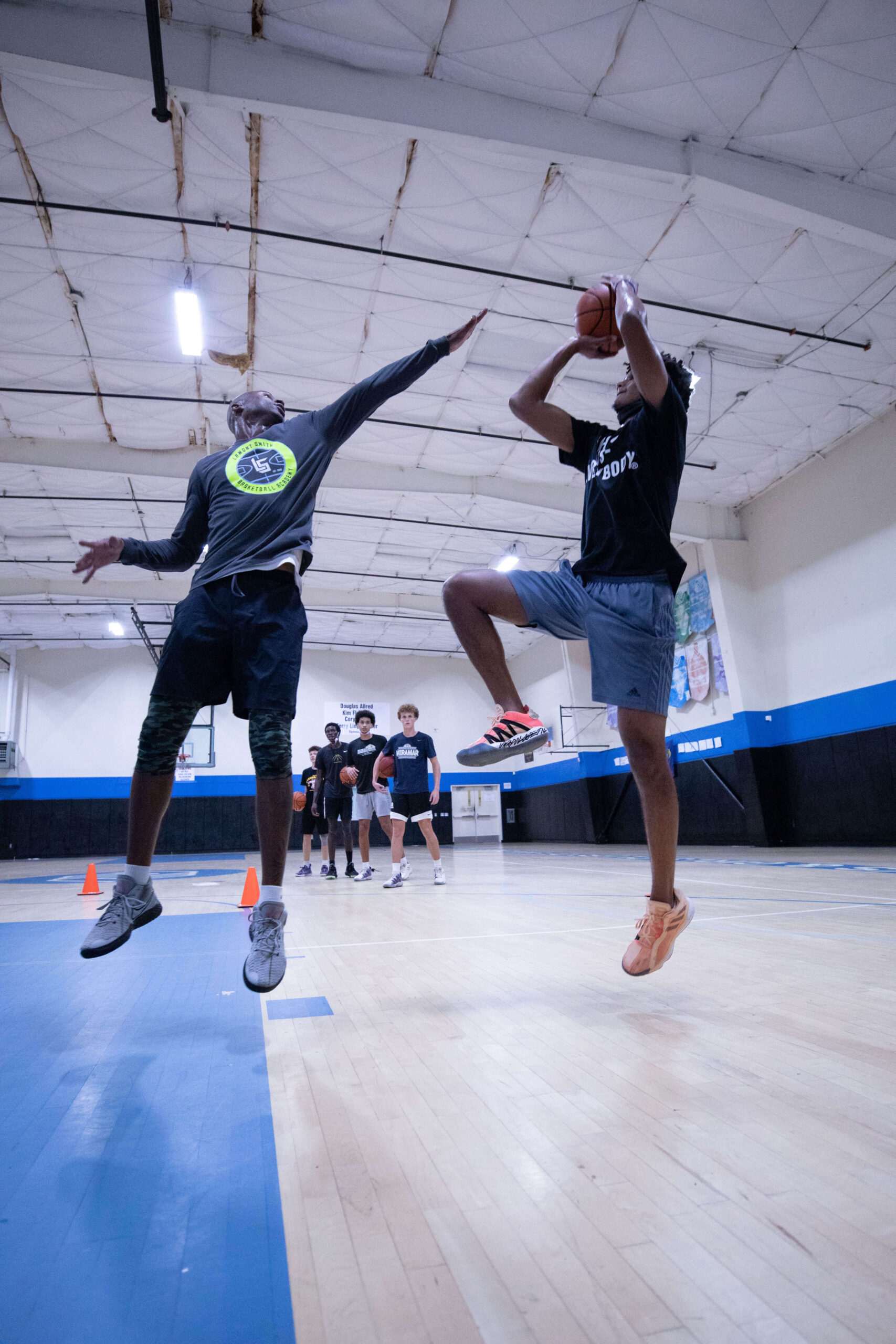
Confidence is one of the first things coaches notice and one of the hardest things to teach directly. A young player can have quick feet, a reliable jumper, and a good feel for the game, but if that player hesitates, avoids contact, or folds after a mistake, the skill never fully shows up when it matters. That is one reason families spend so much time looking for the right basketball environment. Talent grows through repetition, but confidence grows through experience, trust, and the steady feeling that improvement is possible.
For many families, Basketball Club Teams San Diego offer that environment in a way recreational leagues often cannot. Club basketball tends to bring more structure, more frequent practices, stronger competition, and a deeper commitment to development. Done well, it gives players a place where they are challenged enough to stretch, but supported enough to keep going when the game gets hard. That balance matters, especially in the middle school and early high school years, when confidence can swing wildly from one weekend to the next.
I have seen https://beckettgsvn314.readspirex.com/posts/basketball-club-teams-in-san-diego-that-emphasize-sportsmanship-2 players arrive at tryouts barely making eye contact, dribbling with one hand, apologizing after every missed layup. A few months later, some of those same players call for the ball in transition, defend with purpose, and recover quickly from mistakes. The change rarely comes from one speech or one breakthrough game. It comes from the daily habits a good team builds around them.
Confidence is built in the routine, not just on game day
Parents often look at confidence as something emotional, almost mysterious. In practice, it is usually much more practical. Young athletes feel confident when they know what is expected, when they have rehearsed game situations, and when they trust that one bad possession will not define their role.
That is where club programs can make a real difference. A player who practices two or three times a week with consistent coaching gets more chances to learn how to respond under pressure. The repetition matters. So does the tone of the gym. If every mistake brings visible frustration from adults, confidence shrinks. If mistakes are corrected clearly and then folded back into the work, players stay engaged.
San Diego has a particularly active youth basketball culture, which creates both opportunity and pressure. There are year-round programs, travel circuits, strong school programs, and a large pool of athletes trying to move up levels. In that kind of environment, confidence cannot be shallow. It has to be rooted in actual growth. Players eventually face someone faster, taller, stronger, or more polished. When that happens, false confidence disappears. Real confidence holds because it is tied to preparation.
A young guard who knows how to handle pressure, make the simple pass, and defend without fouling may not dominate every game, but that player can stay composed. A developing forward who has practiced finishing through contact a few hundred times is less likely to panic after getting bumped at the rim. The visible moment of confidence on the court usually starts with unseen work.
The San Diego basketball scene creates valuable tests
Basketball Club Teams San Diego operate in a region where competition can be deep and varied. That helps young players because confidence is not built by winning easy games by 30 points every weekend. It is built when players are forced to adapt.
A local team might see a disciplined half-court group one weekend, a pressing team the next, and a roster full of long, athletic wings after that. Those shifts ask players to solve problems. Can they handle speed? Can they stay poised when shots stop falling? Can they guard someone who attacks off the dribble instead of settling for jumpers? Every one of those situations teaches a player something about herself.
I remember watching a seventh-grade player who had always been one of the best scorers in her recreational league. In club play, she suddenly faced defenders who cut off her first move and rotated early from the weak side. For a few weeks, she looked uncertain and frustrated. The easy baskets were gone. What changed her trajectory was not scoring 20 points again. It was learning how to read help defense, use a hesitation dribble, and make the kick-out pass without feeling like she had failed. Once she understood that she could still affect the game while developing the next layer of her skill set, her confidence came back stronger than before.
That pattern is common. Club basketball exposes weaknesses, but in a healthy program it also gives players the tools to address them. That process is uncomfortable, yet deeply valuable.
Coaches shape confidence more than parents realize
Parents matter, of course. So do peers. But coaches often determine whether confidence becomes durable or fragile. The best youth coaches understand that confidence is not the same as constant praise. Empty encouragement can sound nice in the moment and still leave a player unprepared. Good coaching is more demanding than that.
A strong club coach in San Diego will usually do three things well. First, the coach defines roles clearly, even if those roles evolve. Players feel less anxious when they know where they stand and what they need to improve. Second, the coach teaches specific responses to mistakes. Not just “shake it off,” but “get to the corner on offense,” “sprint back and stop the ball,” or “show your hands and wall up.” Third, the coach notices progress that does not always appear in the box score.
That last point is huge. Young athletes often attach confidence only to points scored. Coaches can widen that lens. A player who makes three smart weak-side rotations, communicates on defense, and rebounds outside her area may have played an excellent game even if she scored four points. When a coach reinforces those details consistently, players stop seeing confidence as something reserved for the star scorer.
There is a big difference between a coach who says, “You’re fine, keep going,” and a coach who says, “Your feet were late on that closeout, but you made the right read. Open earlier next time and contest high.” The second message gives the player something solid to stand on. It says the coach is paying attention, and improvement is measurable.
Teammates matter more than highlights
Club basketball often gets framed around exposure, travel, and competition, but team culture may be the most important piece for younger players. Confidence grows faster when athletes feel they belong. That sounds simple, yet it affects nearly every part of development.
A player is more willing to try a new move in practice if teammates will not mock the failure. She is more willing to speak up on defense if communication is normal. She is more likely to stay mentally steady if the bench supports effort and execution instead of reacting only to made shots. Those are not small details. They shape how safe a player feels taking necessary risks.
The strongest clubs are usually intentional about this. They create standards around communication, body language, and accountability. Players learn quickly whether their gym rewards selfish play or collective growth. In younger age groups especially, confidence often follows connection. A player who feels isolated tends to play tight. A player who feels trusted tends to play free.
I have seen this with athletes coming back from difficult stretches. One boy in a local club program had a rough month after moving up a level. He turned the ball over, lost confidence in his jumper, and started passing up open looks. His teammates could have made it worse with visible frustration. Instead, the older guard on the team kept telling him to stay aggressive, and the bench celebrated when he made the right read even before the shot started falling again. Within a few tournaments, his whole posture changed. Nothing magical happened. He simply stopped feeling alone in the struggle.
Why playing time is a delicate part of confidence
Few topics create more tension in youth sports than minutes. Parents understandably want their children on the floor. Coaches have to balance development, fairness, roster depth, and competitive goals. Confidence sits right in the middle of that tension.
Too little playing time can damage confidence, especially if communication is poor. A player who never understands why she is sitting often starts inventing explanations, many of them harsh and inaccurate. At the same time, automatic playing time without accountability can create a different problem. It can protect a player from discomfort that is necessary for growth.
The healthiest club settings treat playing time as part of development, not just reward or punishment. A younger player may earn short, meaningful stretches with clear objectives. Defend without fouling. Space correctly in the corner. Box out every possession. If she meets those standards, her role grows. That process can build real confidence because the player sees a connection between effort, detail, and opportunity.
This is one area where Basketball Club Teams San Diego differ quite a bit from one program to another. Some clubs are heavily results-driven and lean on a tight rotation, especially in older competitive divisions. Others prioritize broader developmental minutes in younger age groups. Neither model is automatically right or wrong, but families should understand the difference before committing. A player who needs reps and patience may lose confidence in an environment built almost entirely around winning this weekend’s bracket.
Skill work becomes confidence when players can use it under stress
A lot of youth players spend hours on isolated drills. There is value in that, especially for ball handling and shooting mechanics. But confidence does not come from making 100 open shots in an empty gym if the player cannot get to that shot in traffic.
Club basketball can bridge that gap when practices are designed well. Competitive drills, small-sided games, and situational scrimmages force players to apply skill at speed. That is where confidence becomes functional.
Consider a young wing learning to attack a hard closeout. In private workouts, she may practice the first step, the rip-through, and the two-dribble pull-up. In club practice, she learns when to use it, how to read the help defender, and how to stay balanced after contact. By the time that action appears in a live tournament game, it no longer feels foreign. Familiarity lowers anxiety.
The same is true for defense, which is one of the quickest ways to help a hesitant player gain confidence. Not every athlete will be a high-volume scorer, but many can learn to defend, rebound, sprint the floor, and communicate. Those contributions are portable. They travel well across age levels and roster situations. Once players realize they can impact the game even on nights when offense feels shaky, their confidence becomes much harder to shake.
Parents can support confidence without crowding it
The ride home after games has changed more seasons than most people admit. A player can leave the gym thinking about one mistake, one missed shot, or one substitution pattern, and the first adult response often decides whether that frustration settles or spirals.
Parents do not need to become technical experts. They do need restraint, perspective, and good timing. Some of the most confident club players have parents who understand how to stay steady. They celebrate effort, ask simple questions, and avoid turning every weekend into a referendum on the child’s future.
Here are a few approaches that usually help more than they hurt:
- Let the first post-game comments be calm and brief.
- Praise specific habits, not just points or wins.
- Save concerns about coaching or role for later, not in front of the player.
- Ask what felt difficult, then listen without rushing to solve it.
- Keep the season bigger than one tournament.
Those habits sound modest, but they matter. Young athletes are often more perceptive than adults think. They can tell when support is conditional. They can also tell when a parent believes development takes time.
One parent I know had a daughter who struggled badly with shooting confidence. After every miss, she looked at the bench, then at the stands. Her mother eventually changed one simple thing. Instead of discussing mechanics or outcomes after games, she asked only whether the daughter took the right shots with conviction. That shifted the focus from fear to decision-making. Over time, the player stopped playing not to miss and started playing to make the correct read. Her percentages improved later, but her body language improved first.
The right team is not always the most prestigious team
Families often assume the best club is the one with the biggest reputation, the longest travel schedule, or the strongest social media presence. Sometimes that is true. Often it is not. For confidence, fit matters more than flash.
A developing player needs a setting where coaching is competent, expectations are clear, and growth is visible. For one athlete, that might be a top-level team where she battles every day and earns minutes gradually. For another, it might be a slightly lower division where she can handle the ball, make mistakes, and expand her game in meaningful minutes. Confidence does not care much about branding. It responds to challenge that is appropriate and honest.
When families evaluate Basketball Club Teams San Diego, it helps to watch more than one practice if possible. Watch how coaches talk after turnovers. Watch what the bench looks like when a role player makes a hustle play. Watch whether younger or less polished athletes are being taught or merely tolerated. The answers are usually sitting there in plain sight.
A confident player is not always the loudest one in the gym. Sometimes she is the one who misses two shots, gets back on defense, talks through the next coverage, and stays present. That kind of poise usually comes from the environment around her.
Confidence looks different at different ages
One mistake adults make is expecting confidence to look the same across the entire youth pathway. It does not. A fourth grader’s confidence may simply mean joining drills without fear. A seventh grader’s confidence may mean taking contact at the rim. A high school player’s confidence may mean accepting a role, staying ready, and delivering in short minutes.
Club coaches who work with multiple age groups understand these distinctions. Younger players need visible success and generous correction. They benefit from simple, repeatable goals. Make the next pass. Stay between your player and the basket. Call out screens. Older players can handle more complexity, but they also face sharper social and competitive pressure. By the teenage years, confidence is tied not only to performance, but identity. They compare themselves to peers, rankings, varsity rosters, and recruiting chatter. That can get heavy fast.
San Diego’s basketball ecosystem gives older players plenty to chase, but that is exactly why stable club environments matter. A teenager who is always measuring herself against external markers can lose the thread of real development. The best programs keep bringing players back to work, role clarity, and team standards. Those anchors protect confidence from becoming too dependent on attention.
Signs a club program is helping, not just demanding
Families trying to assess whether a team is actually building confidence can look for practical signs. The evidence is usually behavioral before it becomes statistical.
- Players communicate more as the season progresses.
- Mistakes are followed by quicker recovery, not shutdown.
- Bench players stay engaged and know their assignments.
- Athletes attempt skills in games that they have practiced.
- Body language remains competitive even in close losses.
When those patterns show up, confidence is usually growing in a healthy way. It does not mean every player is happy every weekend. That would be unrealistic. It means the group is learning how to handle pressure without losing belief.
The opposite signs are worth noticing too. Players who constantly look at the bench after every mistake, teammates who freeze each other out, or a gym where only the top scorers receive meaningful feedback can all chip away at confidence over time. Some athletes survive that environment. Many do not, especially at younger ages.
What young players carry beyond the court
The strongest argument for quality club basketball is not limited to skill or exposure. It is what players take with them into school, friendships, and future challenges. Confidence earned in sports tends to be more durable than confidence built on easy praise because it has been tested.
A player learns that nerves do not mean she is unprepared. She learns that setbacks can be studied instead of feared. She learns how to contribute even when she is not the center of attention. Those lessons have real value long after tournament schedules end.
That is why the best Basketball Club Teams San Diego are doing more than organizing practices and games. At their best, they are giving young athletes repeated chances to face discomfort, improve in public, and realize they can handle more than they thought. Confidence built that way is not loud, fragile, or dependent on one great weekend. It is steady. It shows up in posture, decision-making, and resilience. And for a young player trying to find her place in the game, that may be the most important development of all.
Lamont Smith Basketball Academy
888 Clairemont Mesa Blvd Suite T-2, San Diego, CA 92123
(619) 639-8778
FAQ About Basketball Club Teams San Diego
How can a player join an LSBA club team?
Players are evaluated during practices so the coaching staff can recommend an appropriate team and development level. Families should contact the academy to confirm current openings and evaluation details.
Are club teams available for newer basketball players?
Yes. LSBA describes multiple levels, including a developmental option for newer players as well as more competitive teams for athletes with prior club experience.
What do LSBA club team practices emphasize?
Practices emphasize basketball fundamentals, team defense, structure, communication, and player development. The specific focus may vary according to the team and experience level.
Do all LSBA teams travel?
Travel expectations vary by level. Some teams focus on local competition, while advanced teams may participate in tournaments elsewhere in Southern California or beyond. Families should confirm the current schedule before enrolling.